
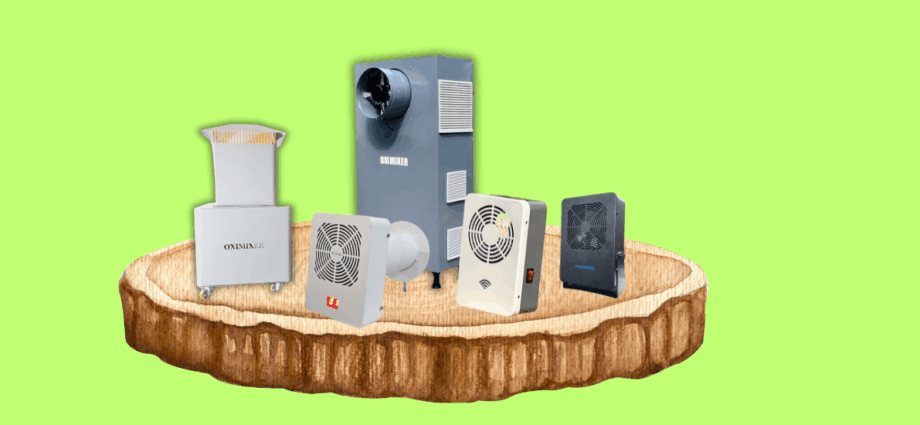
Oximixer, an odor control and air purification technology, in diverse environments such as rendering plants, hospitals, hotels, homes, and industrial settings. It also explores its potential integration into air quality monitoring and remediation systems. The findings suggest that the Oximixer presents a viable, scalable, and environmentally friendly solution for odor control, especially in high-impact areas like rendering plants and medical facilities.
2. Introduction
Odors from organic decomposition, chemicals, and industrial processes pose significant environmental and public health challenges. Traditional odor management solutions—such as activated carbon filters, biofilters, and chemical scrubbers—have limitations in scalability, maintenance, or chemical use. The Oximixer, using advanced oxidation (possibly ozone, hydroxyl radicals, or similar reactive species), offers a promising alternative.
Technology Overview: Oximixer
-
Working Principle: Uses advanced oxidation (e.g., ozone mixing or hydroxyl radical generation) to break down odor molecules.
-
Delivery Mode: Can be installed inline in HVAC ducts, standalone units, or directly into the source environment.
-
Advantages:
-
Chemical-free (if ozone-based)
-
Minimal maintenance
-
Effective across a wide range of VOCs (volatile organic compounds)
-
Scalable for small to large facilities
-
Application by Sector
Rendering Plants
-
Problem: High organic odor due to fat, protein, and bone breakdown.
-
Feasibility: High
-
Required Scale: Industrial-grade Oximixer with high air flow capacity
-
Integration Needs: Exhaust duct installation, corrosion-resistant materials
-
Effectiveness: 80–95% odor reduction (based on similar technologies)
Hospitals
-
Problem: Odors from disinfectants, waste, and biological materials.
-
Feasibility: High
-
Installation Areas: Operation theaters, waste rooms, ICUs
-
Constraints: Must meet medical safety standards (no ozone leakage)
-
Complementary Use: With HEPA filters and UV-C
Hotels
-
Problem: Kitchen exhaust, washroom odors, and general stale air
-
Feasibility: Moderate to High
-
Integration: Duct-mounted units in HVAC or floor-wise installations
-
Impact: Improves guest experience and brand image
Homes
-
Problem: Cooking, pets, humidity-related odors
-
Feasibility: Moderate
-
Units: Portable or wall-mounted units
-
Limitation: Must comply with domestic ozone safety standards
-
Cost Factor: May be relatively expensive for average households
Industries (General)
-
Problem: VOCs, solvents, ammonia, chemical by-products
-
Feasibility: High
-
Implementation: Duct and point-source odor treatment
-
Environmental Impact: Can reduce harmful emissions and improve regulatory compliance
Air Quality Monitoring Integration
-
Oximixer + Sensors: Can be paired with VOC, CO₂, PM2.5/PM10, and ozone sensors.
-
Feedback Loop: Automated control to modulate Oximixer activity based on air quality data.
-
Reporting: Real-time dashboards for facility managers
-
Smart Integration: Compatible with IoT and building management systems.
The Oximixer technology is feasible and effective for multi-sector odor management and can be integrated with air quality monitoring for smart, automated environmental control. Especially in rendering plants, hospitals, and industries, it presents a high-impact and sustainable solution. Domestic and hospitality use, while beneficial, depends on pricing and market awareness.
If you have any further query kindly submite below